
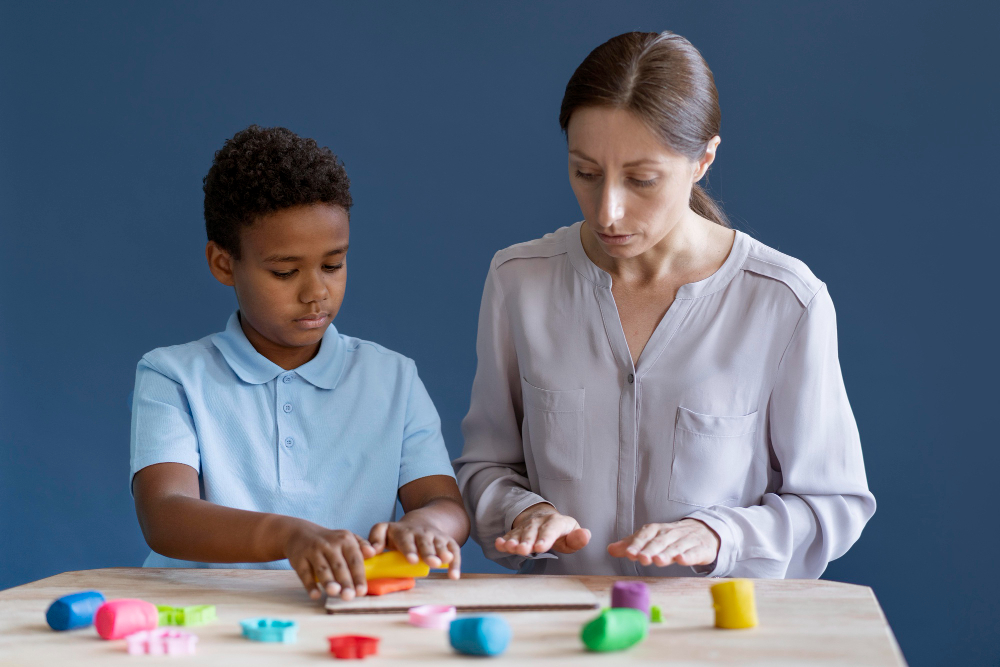
Introduction to Sensory Processing Disorder (SPD)
Sensory processing disorder is a condition where the brain struggles to handle information from the senses. This means sounds, sights, touch, taste, and smells may feel too strong or too weak. As a result, daily life can become challenging. Many children and adults with SPD find it hard to cope with busy places or certain textures. Early support and the right therapy can help manage these issues. Understanding SPD is the first step toward better care.
Common Symptoms of SPD
SPD symptoms can look different for each person. However, some signs are more common. Knowing these can help you spot SPD early. For example, children may react strongly to loud noises or bright lights. Others might not notice pain or may seek out strong sensations. Here are some typical SPD symptoms:
Importantly, these symptoms can affect school, work, and social life. If you notice these signs, consider seeking help.
Causes and Risk Factors
Experts are still learning about the exact causes of sensory processing disorder. However, research suggests that both genes and environment play a role. Some children may be born more sensitive to sensory input. Others might develop SPD after a difficult birth or early life stress. Here are some known risk factors:
Still, SPD can affect anyone. Early support can make a big difference.
How SPD is Diagnosed
Diagnosing sensory processing disorder involves several steps. First, a healthcare provider will ask about symptoms and daily challenges. Next, they may use checklists or questionnaires. Sometimes, an occupational therapist will observe how a person reacts to different sensations. There is no single test for SPD. Instead, diagnosis relies on careful observation and expert judgment. If you think your child has SPD, talk to your doctor or a specialist. Early diagnosis can lead to better outcomes.
Physiotherapy and Rehabilitation Approaches for SPD
Physiotherapy for SPD can help improve movement, balance, and body awareness. In many cases, therapists use fun activities to help children feel more comfortable with different sensations. For example, they may use swings, balls, or textured mats. Rehabilitation for sensory processing disorder often includes:
Additionally, physiotherapists work closely with families. They teach home exercises and offer advice for daily routines. If you are looking for physiotherapy for SPD in your area, ask your doctor for recommendations.
Lifestyle Tips and Home Strategies
There are many ways to support someone with SPD at home. While professional help is important, small changes can also make a big difference. Here are some helpful tips:
Remember, every person with SPD is unique. Try different strategies to see what works best.
Prevention and Early Intervention
Although you cannot always prevent sensory processing disorder, early support can help. For example, noticing SPD symptoms early allows for faster intervention. Parents and teachers should watch for signs of sensory challenges. If you have concerns, speak with a healthcare provider. Early therapy and support can improve skills and confidence. In some cases, early intervention may reduce the impact of SPD on daily life.
Frequently Asked Questions (FAQs)
Conclusion and Call-to-Action
Sensory processing disorder can affect daily life, but help is available. With early diagnosis and the right support, many people with SPD thrive. If you notice SPD symptoms in yourself or a loved one, do not wait. Consult a qualified physiotherapist or healthcare specialist for personalized guidance on managing Sensory Processing Disorder.